
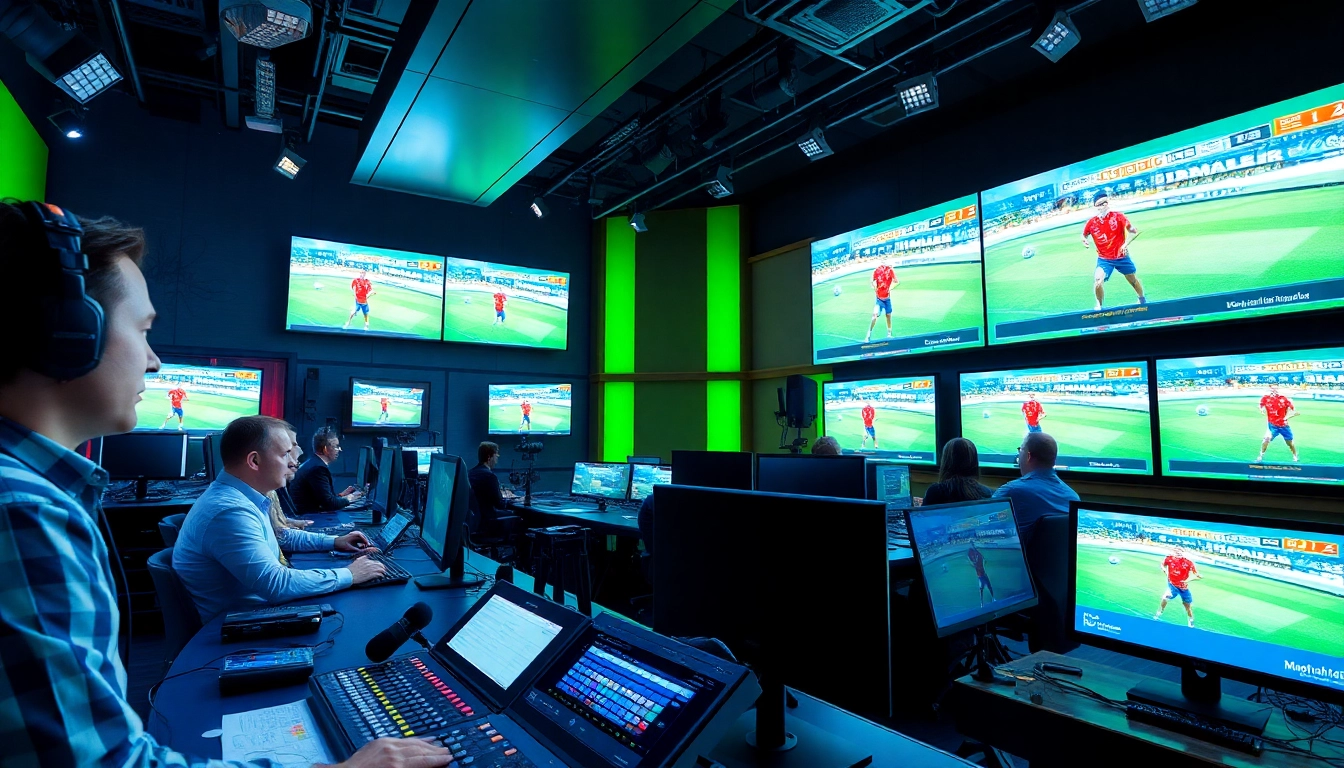
Understanding Sports Broadcasting and Its Importance
Sports Broadcasting has grown into a powerful global phenomenon, impacting not only how fans experience their favorite teams but also shaping the entire sports industry. As technology continues to evolve, so does the landscape of Sports Broadcasting, creating new opportunities for engagement, distribution, and monetization. To gain a better understanding of this vibrant ecosystem, it is crucial to explore its definition, history, and cultural significance.
What is Sports Broadcasting?
Sports Broadcasting refers to the dissemination of live or recorded sports events through various media platforms, including television, radio, and online streaming services. The primary goal is to provide sports enthusiasts with real-time updates, highlights, and commentary on their favorite athletic events. With the integration of innovative technologies, sports broadcasting has transformed into a multi-faceted industry that encompasses everything from studio shows and commentary to live streaming and social media interactions.
History and Development of Sports Broadcasting
The inception of sports broadcasting dates back to the early 20th century, when radio became the first medium to transmit live sports events to the masses. The 1920s witnessed the broadcasting of major events, including college football games. As television technology advanced, the 1950s marked a significant transformation, introducing visual elements that enhanced storytelling and engagement. Major milestones, such as the first televised World Series and the Super Bowl, propelled the popularity of sports broadcasting, establishing it as a staple of American culture.
The Role of Sports Broadcasting in Sports Culture
Sports Broadcasting plays a vital role in shaping sports culture by fostering community engagement and interaction among fans. It not only allows fans to follow their favorite teams but also creates an environment for discussion and analysis. The reach of broadcast media can turn local events into global spectacles, making sports a shared cultural experience. Moreover, sports commentary adds depth to the viewing experience, educating audiences and enriching their understanding of the game.
Types of Sports Broadcasting
Live vs. Recorded Sports Broadcasting
The distinction between live and recorded sports broadcasting is fundamental to understanding viewer experiences. Live broadcasting offers real-time coverage, capturing the excitement and unpredictability of sports. Viewers engage with events as they unfold and rely on live commentary for insights. In contrast, recorded broadcasts provide opportunities for post-event analysis, highlights, and in-depth discussions. Both formats cater to different audience preferences and serve unique purposes within the broader sports broadcasting landscape.
Television Broadcasting vs. Online Streaming
Television broadcasting has long been seen as the traditional medium for sports coverage, boasting large audiences and established commercial frameworks. However, online streaming is rapidly gaining traction, especially among younger demographics who prefer on-demand content and mobile accessibility. Streaming platforms offer unique features, such as customizable viewing options and interactive elements that enhance viewer engagement. As the two mediums converge, understanding their advantages and limitations is essential for sports organizations looking to maximize their reach.
The Impact of Radio Broadcasting on Sports
Despite the rise of visual media, radio broadcasting remains a significant player in sports. It offers accessibility to those who may not have access to television or internet connections. Radio’s auditory format engages listeners’ imaginations, making sporting events highly personal experiences. Additionally, radio remains an essential tool for commentary, analysis, and interviews, providing a platform for expert opinions and fan engagement. The personal touch of radio also fosters strong community connections through local sports coverage.
Technological Innovations in Sports Broadcasting
How Social Media is Changing Sports Broadcasting
Social media platforms have dramatically transformed sports broadcasting by enabling real-time interaction between fans, athletes, and broadcasters. They allow for immediate updates, discussions, and sharing of highlights, creating an immersive community experience. Social media serves as a powerful marketing tool, promoting events and driving viewership. Additionally, live discussions and fan polls foster a sense of inclusion, making audiences feel directly connected to the sports they love.
The Rise of Virtual and Augmented Reality
Virtual and augmented reality (VR and AR) technologies are poised to revolutionize sports broadcasting by providing interactive and immersive viewing experiences. VR allows fans to experience games from different perspectives, while AR overlays digital information onto live broadcasts. These technologies can enhance viewer engagement by creating unique content, such as 360-degree highlights and interactive statistics. As accessibility to VR and AR technology improves, they are likely to become integral components of the sports broadcasting experience.
Data Analytics in Enhancing Viewer Experience
Data analytics has emerged as a critical tool in sports broadcasting, enabling networks to personalize content for viewers. By analyzing viewer preferences and behaviors, broadcasters can tailor programming, advertisements, and highlight reels to meet audience needs. Analytics also plays a significant role in improving on-camera presentations, making broadcasts more relevant and engaging. This data-driven approach enhances the viewer experience, allowing for more dynamic interactions during and after sporting events.
Challenges Faced in Sports Broadcasting
Dealing with Copyright and Licensing Issues
Copyright and licensing issues are significant challenges in sports broadcasting. Networks must negotiate rights with leagues, teams, and athletes, which can result in complicated legal agreements. Ensuring compliance requires robust legal and administrative frameworks, and failure to manage licensing agreements can lead to costly legal disputes. Moreover, as digital content sharing becomes more prevalent, broadcasters must adapt to new legal landscapes to protect their interests.
Adapting to Changing Consumer Preferences
As consumer preferences evolve, sports broadcasters must remain agile in their programming approaches. The shift towards on-demand content and mobile viewing requires broadcasters to reassess their distribution channels and engage audiences through new platforms. Understanding demographic shifts and viewing habits can provide invaluable insights, enabling broadcasters to create targeted marketing strategies and content offerings that resonate with diverse audiences.
Maintaining Broadcasting Quality and Standards
Quality control is vital in sports broadcasting, ensuring that technical standards and production values meet audience expectations. Issues such as signal quality disruptions, poor camera work, or inaccurate commentary can significantly detract from the viewer experience. Maintaining high standards requires ongoing investment in technology, training for on-air talent, and thorough pre-broadcast preparations to mitigate potential issues that may arise.
The Future of Sports Broadcasting
Emerging Trends in Viewer Engagement
Emerging trends in viewer engagement suggest that the future of sports broadcasting will revolve around personalization, interactivity, and social integration. Enhanced viewer experiences may stem from the integration of AI technology, offering recommendations based on past viewing behavior. Fan collaboration, involving user-generated content and community-driven programming, can create deeper connections with audiences. As these trends evolve, broadcasters will need to keep pace to maintain relevance in a highly competitive market.
Predictions for the Next Decade in Sports Broadcasting
Predictions for the next decade indicate that the sports broadcasting landscape will become increasingly diverse, with a growing focus on sustainability and ethical broadcasting practices. Advances in technology will enable more granular targeting of content, ensuring relevance for various audience segments. Additionally, broadcasters may explore partnerships with emerging platforms, such as gaming and esports, to expand their reach and enhance viewer experiences further.
Preparing for the Changes Ahead in Sports Broadcasting
To prepare for the changes ahead, stakeholders in sports broadcasting must invest in technology, talent development, and strategic partnerships. Continuous learning and adaptability are essential in addressing technological advancements and shifting consumer expectations. By positioning themselves as leaders in innovation, broadcasters can create a competitive advantage that enhances viewer experiences and secures future success in the evolving sports landscape.
FAQs about Sports Broadcasting
What is the main goal of sports broadcasting?
The main goal of sports broadcasting is to provide fans with real-time coverage, insights, and analysis of sports events through various media platforms, enhancing viewer engagement and experience.
How has technology changed sports broadcasting?
Technology has transformed sports broadcasting by introducing live streaming, social media integration, VR/AR experiences, and enhanced data analytics, allowing for more engaging and personalized content delivery.
What are the differences between television and online sports broadcasting?
Television sports broadcasting offers scheduled programming and large audiences, while online streaming provides on-demand content and mobile accessibility, catering to the preferences of younger viewers.
What challenges do sports broadcasters face today?
Sports broadcasters face challenges including copyright issues, adapting to changing consumer preferences, and maintaining high quality and standards in their broadcasts to meet audience expectations.
What does the future hold for sports broadcasting?
The future of sports broadcasting is likely to see increased personalization, interactivity, and integration of new technologies, establishing deeper connections with viewers while embracing ethical practices.